
Living With a Sco...
Oct 13, 2026

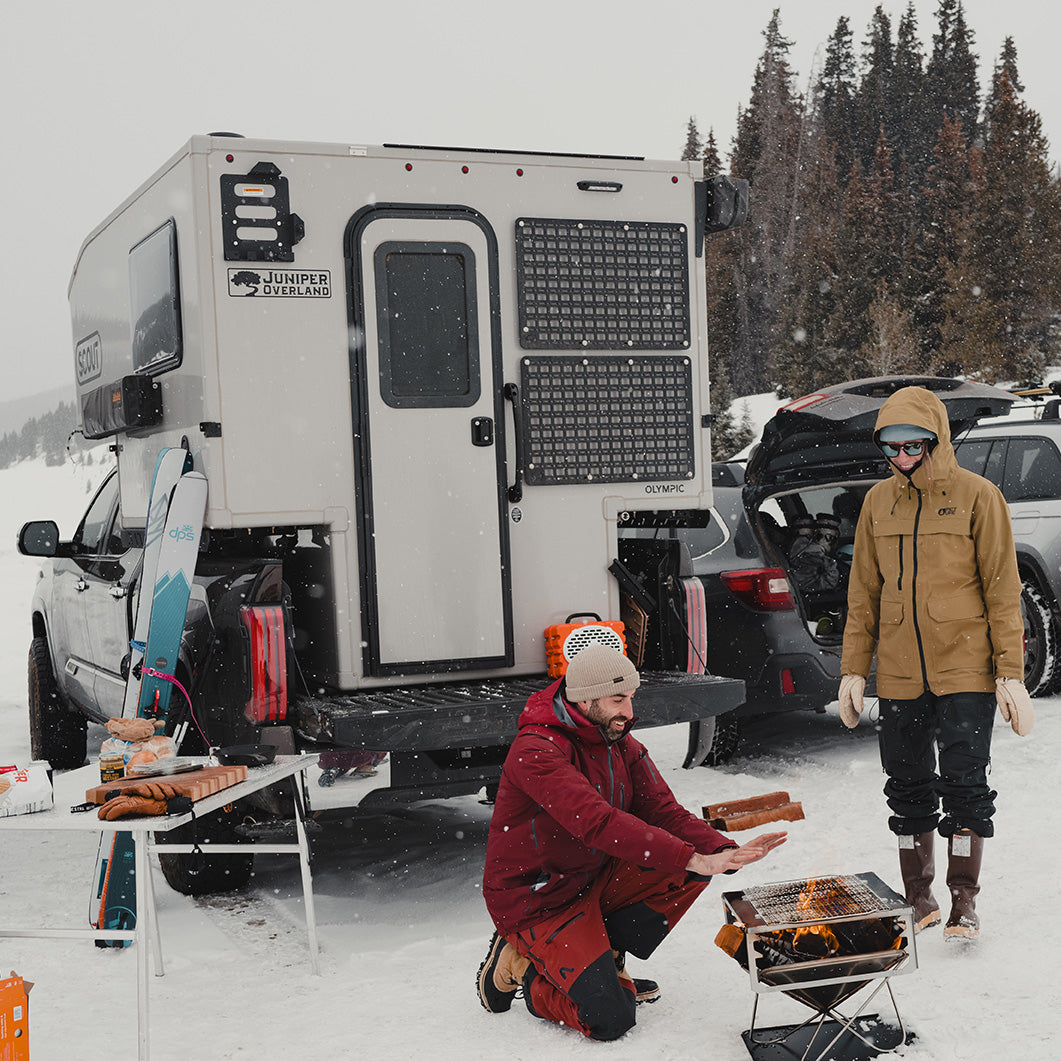
Most people do not stop camping in winter because they dislike snow or cold temperatures. They stop because the experience becomes work. The moment your shelter cannot hold heat, cannot manage moisture, and cannot keep the wind out, the trip stops feeling like an escape and starts feeling like a series of chores. That is the real reason winter camping fades for so many otherwise committed campers.
A true four season setup solves a simple problem: it gives you a small, controlled environment that stays warm, stays dry, and stays easy to live in, even well below freezing. When you have that, winter stops being an obstacle. It becomes a season you can actually use.
That is where truck campers separate themselves from nearly every other style of camping shelter.

Four season is often treated like a marketing label, but in practice it is a comfort and consistency standard. A four season setup is not the one that survives winter, it is the one you willingly use all winter. It is the setup that still feels manageable after a long drive, after a wet day on the mountain, or when the wind is pushing sideways snow into your campsite.
In practical terms, four season camping comes down to five things: weather protection, insulation, heat, ventilation, and livability. You need a structure that blocks wind and precipitation, walls that slow heat loss, a heater that can maintain comfortable interior temperatures in real winter conditions, ventilation that gives moisture a place to escape, and an interior layout that makes life feel normal instead of cramped and chaotic. When those five elements are present, you can camp when most people stay home.
Cold weather exposes weaknesses in the entire system. A shelter without insulation bleeds heat constantly, which forces your heater to run harder and more often. The result is not just a higher demand on power and fuel, it is a living space that feels unstable. You get hot bursts, then cold dips, then cold floors, then cold corners, then the constant background stress of wondering if you are going to wake up uncomfortable.
Insulation changes the entire feel of winter camping because it slows down the rate of heat loss. That gives you a more stable interior climate. It reduces drafts. It keeps surfaces warmer. It turns your shelter from a thin barrier into something closer to a small cabin.
Truck campers are built around this idea. They are designed as an enclosed living space first. That core design decision makes everything else easier, because you are not trying to turn a lightweight shelter into a warm room. You are starting with a warm room.

The piece most people underestimate is moisture. In winter, condensation is not just annoying, it is what makes you feel cold even when the heater is running. Your body puts moisture into the air through breathing and natural humidity, and when warm air meets cold surfaces, that moisture turns into condensation. If you have ever woken up with damp bedding, wet walls, or a layer of frost where you did not expect it, you have already experienced how quickly winter moisture can derail comfort (and even cause mold long-term).
The best solution is simple: give moisture a way out. In a well sealed space with a heater running, turning on an exterior fan or cracking a window slightly creates a controlled exit path for humid air that helps reduce condensation and keeps the interior feeling drier and more comfortable. This matters because dry insulation performs better, dry layers stay warmer, and dry bedding is the difference between sleeping well and counting the hours until sunrise.
A truck camper helps here because it is an enclosed space designed for human living. You have better control of airflow. You have windows and vents positioned for function, not just access or campsite views. Most importantly, you have a structure that can hold heat while still allowing enough ventilation to manage moisture. That balance is what makes winter camping sustainable.
A winter capable setup is not just about surviving the night, it's about what your mornings feel like, having a place to step inside, close the door, and reset, being able to dry gloves, warm up boots, make food without fighting wind, and sleep in a space that feels calm instead of exposed.
Truck campers shine in winter because they reduce friction across the entire trip. You are not packing away wet fabric. You are not climbing up and down a ladder in the dark on icy ground. You are not trying to manage your entire life from a single sleeping platform. If you've ever gone camping in a roof top or ground tent when it's below freezing or actively snowing, you know how much of your time is spent inside just trying to keep your toes from falling off. With a truck camper, you are working with a true shelter, a structure that protects you while you live, not only while you sleep.
That difference is why people who adopt a truck camper for winter use often find themselves camping more, not just camping differently. When the barrier to going is lower, you go more often.

Both slide in campers and topper style campers can support winter camping well below freezing, especially when paired with a modern air heater. The difference is how much the rest of the system has to work to keep you comfortable.
A topper style camper is a great bridge between tent camping and full cabin style camping. It gives you a hard roof, a sealed interior, and a much more livable space than a ground tent. For many people it is the easiest step into winter capability because it still feels like a nimble vehicle setup and it keeps the footprint tight.
The main limitation is not the topper itself, it is what the topper is built on. With topper style campers, the truck bed becomes part of the living environment. If the bed is thin, uninsulated, or built from composite materials, it can transfer cold into the interior. That often shows up as colder floors, colder lower walls, and a heater that has to work harder to maintain the same comfort level.
The fix is straightforward and easy. You can add insulation by using a BedRug style liner to create a small air pocket between the truck bed and the interior. That air gap acts like a barrier that reduces thermal transfer, and as a bonus, it improves foot feel because it gives you a warmer, softer, carpeted surface to stand on and move around on when you are inside the camper.
Slide in campers take this concept further because they are a fully enclosed living space on their own. You are no longer depending on the truck bed as part of the room. You are living in an insulated box designed to hold heat and resist weather. In true winter conditions, this usually feels better, not because a slide in is inherently more complicated, but because the structure is doing more of the work for you. It is the closest thing to bringing a small cabin with you, and that is exactly why it excels as the seasons get even harsher.
If you are trying to camp all winter, not just occasionally push into cold nights, a slide in camper tends to feel like the more comfortable long term answer. It is less sensitive to cold soak, less drafty at the lower half of the space, and more stable in interior temperature when conditions swing.
A fabric sided pop up camper can absolutely handle cold temperatures. In most modern setups, the heater has enough output to overpower the outside conditions and keep the interior comfortable. Pop ups also come with real benefits, including lower profile while driving, lighter weight, and a more efficient overall vehicle package. For someone who wants year round ability without committing to the most insulated option available, a pop up can be an excellent fit.
Hard wall campers, however, are simply nicer in the extremes. Fully insulated walls create fewer cold spots. Wind has less influence on comfort. The interior feels quieter, more stable, and less reactive to outside conditions. If winter use is not an occasional novelty but a real part of your lifestyle, hard wall becomes the most comfortable experience you can buy in this category, and it is not subtle. It feels like stepping into a warm room instead of trying to warm up a shelter.

There are plenty of winter activities that pair perfectly with a truck camper, but skiing is the one that clicks with the widest audience because it is already built around early mornings, crowded lodging, and unpredictable conditions.
A truck camper turns a ski weekend into something closer to a personal ski cabin. You can park, settle in, and wake up warm. You can make coffee inside without standing in the wind. You can dry gloves and layers overnight instead of stuffing damp gear into a bag and hoping the car heater does enough on the way to the mountain. You can stay flexible if weather changes, and you can extend trips without booking expensive lodging months in advance.
The same concept applies across all winter sports. Hunting becomes easier when sleep is warm and mornings are calm. Ice fishing gets better when you have a real reset space between stretches outside. Winter photography becomes more enjoyable when you can warm up, protect batteries, and manage gear without rushing back to a hotel. Snowmobiling, hot springs trips, and winter trail weekends all benefit from the same thing, a reliable base station that makes the cold feel optional rather than constant.
A truck camper is not just shelter, it is the ability to stay out longer and do more, because you recover better between time spent outside.
Most winter camping frustrations come from trying to force a warm experience out of a shelter that was not built for cold weather living. People chase more heat when they really need better insulation. They fight moisture after it becomes a problem instead of managing airflow from the start. They underestimate how much comfort improves when the space is easy to enter, easy to use, and easy to pack up.
The goal is not to prove you can be out there. The goal is to make it so comfortable that you want to do it again next weekend.
If you want to go deeper on heater planning, installation considerations, and what to look for in a winter ready air heater setup, we have a dedicated guide that covers that topic in detail. It is a useful follow up once you understand why insulation and ventilation are doing most of the heavy lifting.

A good winter camper is the one that matches your reality. If you want maximum winter comfort, especially for frequent ski trips and multi day cold weather camping, hard wall slide in campers tend to deliver the most stable interior environment. If you want a lighter, lower profile setup that still performs well in winter, a pop up camper can make a lot of sense, especially with a solid heater and smart moisture management. If you want a nimble daily driver setup that dramatically outperforms tents in the cold, a topper style camper can be a great move, and with a thoughtful truck bed insulation strategy, the comfort gap narrows even further.
The important part is not choosing the most extreme option. It is choosing a camper that makes winter camping easy enough that it becomes normal.
If you want to see what that looks like across different styles, we carry a range of truck campers built for year round use, including slide in campers, topper style campers, pop ups, and hard wall models. You can explore the brands we carry to get a sense of which designs match your vehicle and your camping priorities, then browse our in stock campers to see what is available right now.
Winter camping does not need to be a suffering contest, and it does not need to be reserved for the handful of people willing to endure discomfort. When you have insulated walls, a heater, and a simple ventilation strategy to manage moisture, camping well below freezing becomes predictable, restful, and something you can plan around with confidence.
A truck camper is the most straightforward way to get there because it is built to be a living space, not just a sleeping platform. It is the difference between camping in winter and living outside in winter, and that difference is why truck campers are the best way to camp all winter.

Oct 13, 2026

Oct 06, 2026

Jul 29, 2026
Get tips on overland travel and rig setup, exclusive deals on campers and gear, early access to events and product launches, and customer adventure stories.